


One such alternative is coir wood—a material derived from coconut husk fibres. These fibres, available through wet and dry processing methods, are a renewable resource widely accessible in South India, thanks to the region’s rich coconut plantations. The coir industry has not only flourished in these coastal areas but has also significantly contributed to the local economy through employment and trade. What began as a small-scale, unorganized sector has evolved into a thriving industry. Today, coir-based products are exported globally, making India one of the world’s largest producers and exporters of coir goods. Expanding coir wood production across other parts of India and internationally could unlock even greater economic and ecological benefits.
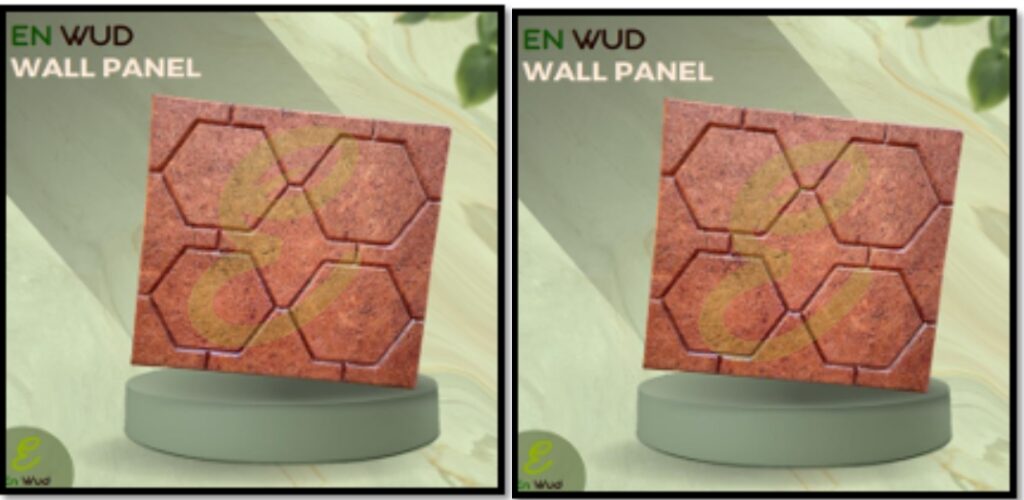
Using coir wood in furniture-making is no longer a niche concept—it’s a viable and scalable solution to the global challenge of deforestation. As climate concerns grow, eco-conscious consumers and designers must shift toward materials that protect the environment without compromising on functionality or aesthetics. The importance of coirwood in sustainable living is as crucial as understanding this truth: a world without greenery is a world without oxygen. Humanity’s continuous reliance on nature has pushed the planet beyond its limits, resulting in environmental consequences such as global warming, pollution, and a rising carbon footprint. Much of this degradation stems from excessive consumption driven by the pursuit of luxury and convenience. Forests, the lungs of our planet, are being rapidly destroyed to meet the demand for timber, contributing significantly to the decline of the Earth’s green cover. This calls for immediate innovation in sustainable materials—alternatives that protect forests and reduce our impact on the environment.
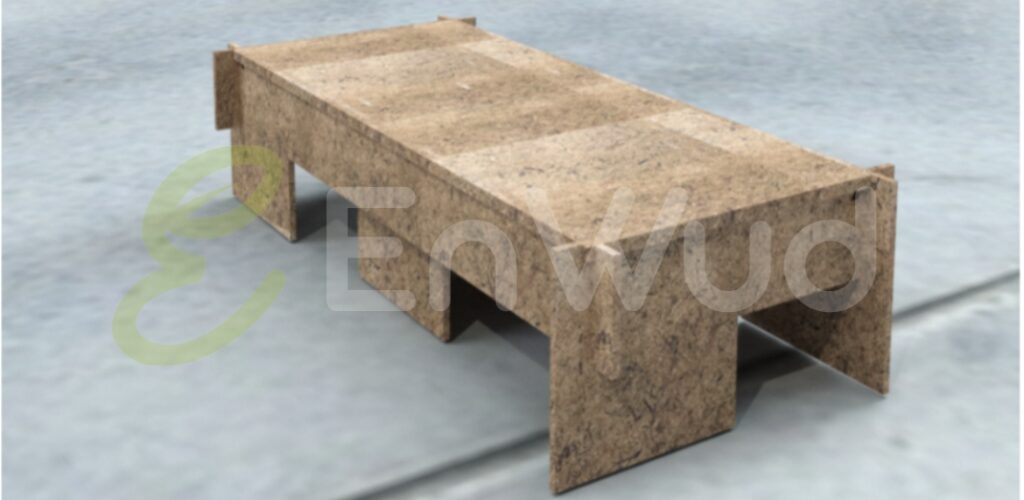
Traditionally used in products like mats and ropes, coir is now being repurposed as a sustainable substitute for wood in furniture and interior design. Unlike timber, which necessitates tree felling, coir wood is both eco-friendly and biodegradable, reducing strain on forests and aligning with circular design principles. These products have undergone extensive quality testing and comply with Indian Standards (IS) for coir hardboards, plywood, and various-density particle boards. Both ready-made and customizable furniture options are being developed with high durability and ease of installation in mind.
Ongoing research and development have made coir wood suitable for crafting a wide range of interior elements, from furniture and decorative panels to structural supports and disaster-relief installations. Its durability, resistance to mold and pests, and flexibility make it an ideal choice for modern, environmentally conscious living. By choosing coir wood, we commit to a future that supports planetary health and responsible design. Broader support through investment, policy backing, and public awareness will help ensure a more sustainable world for generations to come.
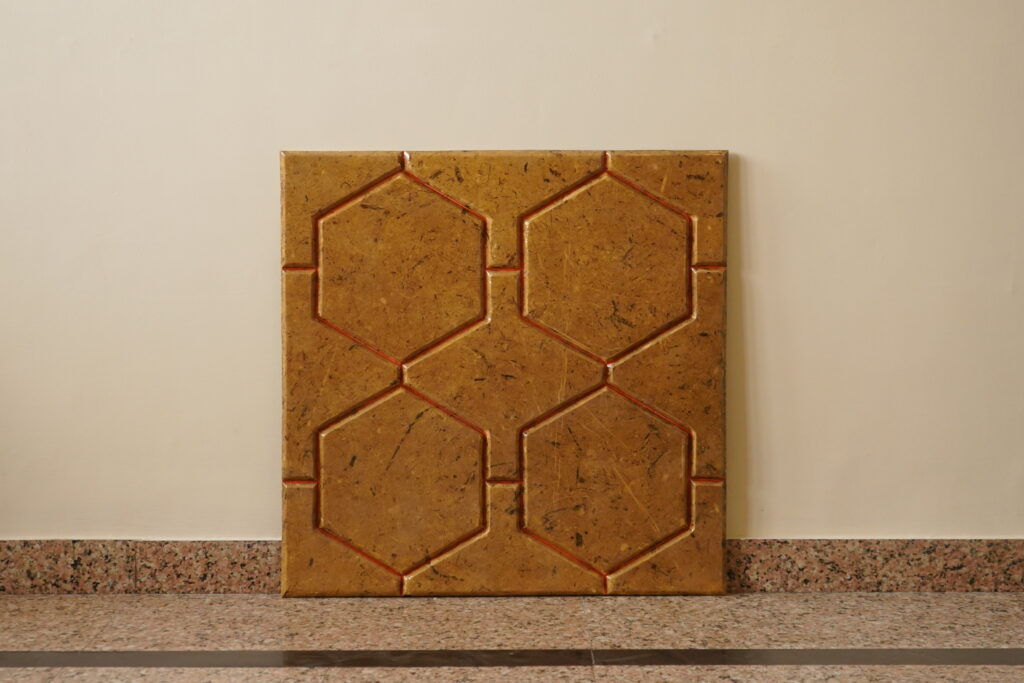
Wall panelling is an effective way to enhance a space’s aesthetic while creating partitions or defining boundaries—without altering the original architecture. Coir-based wall panels are especially appealing for their sound-absorbing qualities and calming visual appeal. They are a cost-effective, low-maintenance alternative to conventional materials, making them a smart choice for conscious consumers seeking both style and function. Choosing sustainable materials like coir for door panels reflects a commitment to protecting and preserving the environment.
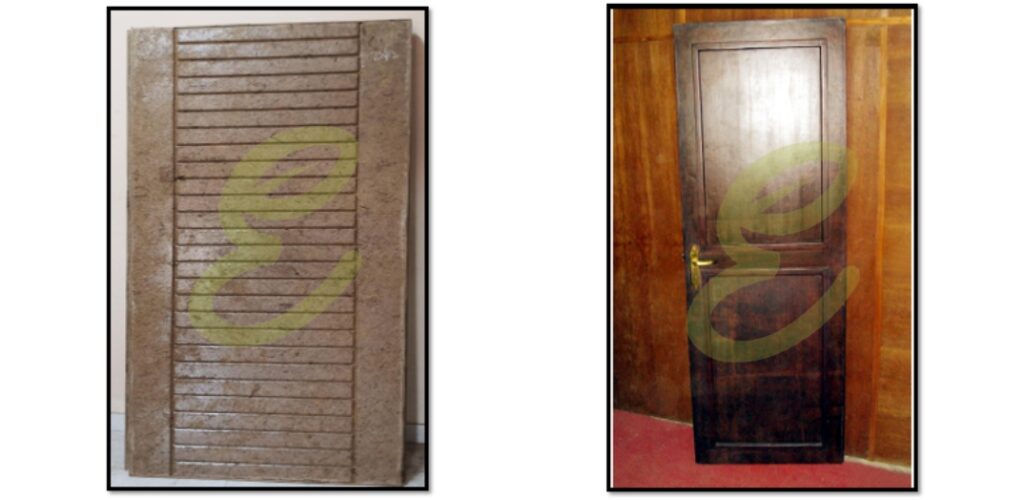
Coir door panels require minimal upkeep and are highly economical, offering excellent acoustic performance and durability. Available in a variety of colours, textures, and patterns, they can complement diverse interior styles. Notably, coir panels also provide water resistance and protection against termites, making them both practical and long-lasting. Coir panels are suitable for creating a wide range of furniture—from beds and cabinets to tables, chairs, and shelving units. Their versatility makes them ideal for use in homes, offices, educational institutions, hotels, museums, and community centres. Whether for residential or commercial settings, coir-based furniture delivers aesthetic charm with sustainable value.
Embracing coir-based products in furniture and interiors is more than a design trend—it’s a strategic step toward sustainable development. Coir is naturally biodegradable and renewable, making it an environmentally responsible alternative to wood and synthetic materials. The process of extracting coir fibres and converting them into usable products helps reduce environmental impact while promoting a circular economy. Despite the progress made, there’s still significant potential for growth. Greater public awareness and support are essential to propel the coir industry forward. With increased investment and widespread adoption, coir can play a vital role in establishing a resilient, eco-conscious, and economically strong future.