


A New Era of Conscious Design
The fields of architecture and design are changing dramatically. As society seeks solutions to pollution, resource depletion, and climate change, the emphasis is moving from conventional, resource-intensive materials to environmentally friendly alternatives. Not only do these new materials lessen their influence on the environment, but they also change the way we live, build, and engage with our surroundings.
The emergence of sustainable materials like EnWud panels, which are manufactured from natural fibers and agricultural waste, is a notable illustration of this change. Eco-friendly architecture is the future, not a specialty, as awareness and creativity increase. Innovative materials that blend natural sources, little processing, durability, and low environmental impact are used in modern sustainable design. These consist of: Bamboo, Recycled plastics, wood, Cork and hempcrete, and composites made of natural fibres.
The Advantages of Sustainable Building Materials
1. Reduction of Environmental Impact
2. Flexibility in Design
3. Efficiency in Energy Use
4. Healthier Environments
- The following are the pros of adopting eco-friendly materials for interior design and detailing:
- Reduced transportation and production-related carbon emissions
- Deforestation and landfill garbage have decreased.
- Encourages the circular economy by using renewable or recycled resources.
- The inherent insulating qualities of many eco-materials lower the energy requirements for heating and cooling.
- Reduced usage of synthetic chemicals, formaldehydes, and volatile organic compounds found in conventional materials enhances indoor air quality and lowers health hazards.
- EnWud panels and other eco-friendly materials can be shaped, painted, cut, and styled to match contemporary design sensibilities.
- In addition to drawing in eco-aware purchasers, green structures frequently fulfill or surpass new building requirements focused on sustainability certifications (such as LEED and BREEAM).
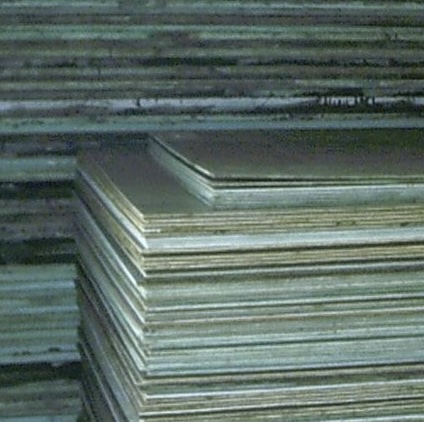
The core principle of sustainability must be incorporated into every aspect to ensure an eco-friendly, green, and toxin-free future. Wood, particularly Plywood, has been used for a long time in a wide range of applications. It is commonly used as a packaging material for industrial products, such as machines, automobile components, and gearboxes. Additionally, it is utilized in the manufacturing of tables, chairs, furniture, cabinets, partitions, walls, and doors. It is the most economical and easily available material.
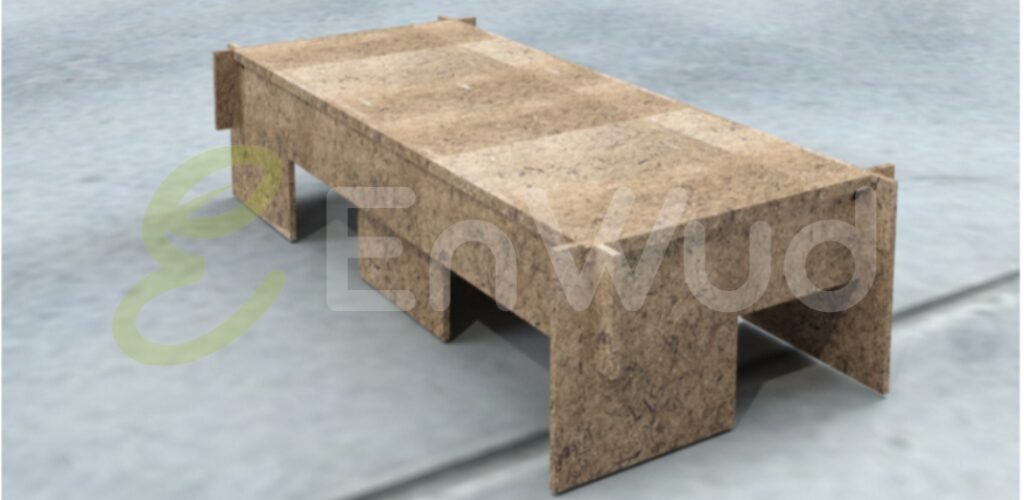
Low-carbon lifestyle products: regenerative material solutions
It is high time now that we must understand that our payback efforts to the environment must be initiated. For this, we need to take suitable actions to convert the damage caused by us into meaningful and useful actions for the betterment of the environment. In order to solve these environmental issues and provide long-term advantages for homeowners and society as a whole, sustainable architecture is crucial. The following list includes a few benefits of sustainable architecture that lessen the impact on the environment and greenhouse gas emissions. It reduces waste and conserves resources; lowers energy costs; enhances comfort and health; and adjusts to climate change.